






















- High SKU variety
- Frequent recipe and format changes
- Demanding quality and cleaning requirements
- Close coordination between production, packaging, and shipping
- Retail and private label pressure
- Increased setup and cleaning efforts
- Short-term rescheduling
- Inventory build-up as a safeguard
- Delivery risks towards retail partners
- Unnecessary complexity in control and coordination
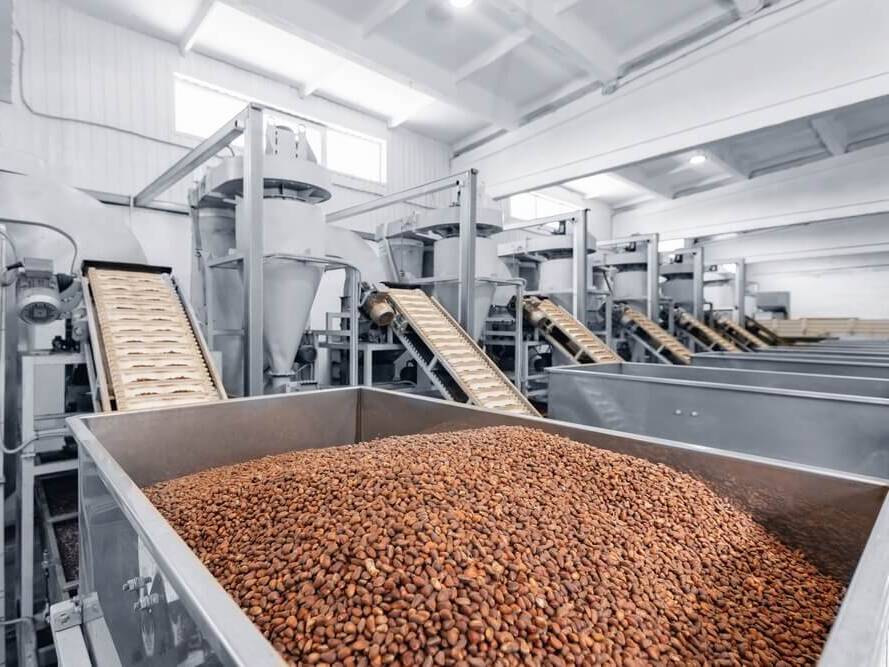
Economic levers in pet food production
Logistics & delivery performance
- Reduction of short-term shipping changes
- Higher on-time delivery performance for retail partners
- Avoidance of express and special transports
- Reduced stock movements between silos and packaging lines
Production and setup costs
- Optimized sequencing to reduce cleaning efforts
- Minimization of format and product changes
- Avoidance of re-production of small batches
- Reduction of scrap during start-up processes
Complexity and capital commitment costs
- Reduction of safety stock
- Transparency on coverage and production load
- Stabilization of processes despite high product variety
- Reduced dependency on individual employees
Integrated production and packaging planning for pet food & premixes
MCP’s industry-specific solution extends Opcenter APS with functionalities specifically tailored to the requirements of pet food production:
- Synchronization of production and packaging lines
- Optimization of recipe and format changes
- Minimization of cleaning and setup sequences
- Transparent coverage and inventory logic
- Integration von Energie- und Lastmanagement
- Consideration of delivery dates in a retail environment
This results in a stable, economically optimized overall plan for production and packaging—even with high SKU complexity.
Measurable effects in pet food production
Through integrated production and packaging planning, measurable improvements in productivity, inventory levels, and delivery performance can be achieved in the pet food industry:
15%
higher productivity
25%
lower inventory levels
60%
Fewer unplanned changeovers
80%
fewer delivery delays
100%
Fewer unplanned changeovers
Scope of functionality of pet food planning with Opcenter APS
- Optimization of the balance between production, packaging, and shipping
- Automatic generation and synchronization of production and packaging orders
- Intelligent lot size calculation considering coverage
- Sequencing planning while complying with setup, cleaning, and quality constraints
- Minimization of format and recipe changes
- Integration of silo planning, material flows, and inventory logic
- Consideration of energy and load management
- Consideration of machine, material, and personnel availability
- Learning-based determination of process times based on historical production data
- Minimization of flushing batches based on the contamination matrix
- Transparent graphical visualization of the entire planning horizon
- Visualization of inventory levels, coverage, and silo fill levels
- Extendable personnel deployment planning at individual employee level
- KPI evaluations on delivery performance, setup intensity, and process quality
Your start: Free potential analysis for pet food & premixes
In a structured discussion, we analyze your production and packaging processes and identify specific economic levers—from setup optimization to inventory reduction.
What changes for the planner?
The planner’s workplace in an evolved structure
With every plan adjustment, recipe changes, cleaning logic, packaging formats, material coverage, and delivery dates in the retail environment must be reviewed.Since not all interdependencies can be made fully transparent manually, planners have to react multiple times a day to unexpected changes—such as short-term call-offs or production disruptions.

The workplace with modern tool support
The industry-specific APS automatically considers all relevant constraints of production planning. The underlying algorithms are tailored to the processes and infrastructure of a pet food or premix plant.The planner generates an overall plan through an automated planning run, integrating decisions down to the selection of the packaging line or loading bin. This eliminates conflicting individual decisions between production planning and dispatching—resulting in a consistent overall plan for all involved departments.In the event of major disruptions or new demand, an updated and optimized plan for the entire plant can be calculated at any time—if required, several times a day.


Success story: Example from feed production
A leading animal feed manufacturer digitized and fully integrated its production planning together with MCP Algorithm Factory.Results:
- higher efficiency in production and logistics
- significant relief for key personnel
- Structured management of order handling and dispatching
The company saves several hours of planning effort every day. This time is invested in strategic improvement projects to achieve annual productivity targets—thereby sustainably strengthening its competitiveness.
“In the past, incoming orders were planned manually—including silo allocation, flushing batches, and the contamination matrix. Today, we generate a complete, optimized plan for all machines in just a few minutes, taking all constraints into account and ensuring stable plant operations.”
Your direct path to stable and economically efficient production planning
In a structured potential discussion, we analyze your specific challenges – and show you concretely what economic potential can realistically be unlocked in your production planning.
You will receive a well‑founded assessment of productivity, inventory, and service level potential, as well as the required implementation effort and project structure